
Which Thoughts Do We Feed?
Do your thoughts and feelings define who you are? Explore how we can’t control every thought or emotion, but we can choose how we respond and where we drive our bus next.

Navigating Transitions: Supporting Children and Young People Returning to Education
Change is often presented as something to embrace, yet for many children and young people, transitions into new stages of education bring uncertainty, emotional strain, and a shift in identity. Whether starting reception, moving to secondary school, or leaving home for university, these moments ask a great deal of a developing nervous system. What may look like resistance, withdrawal, or heightened emotion is often a sign of adjustment in progress, not a problem to be fixed.
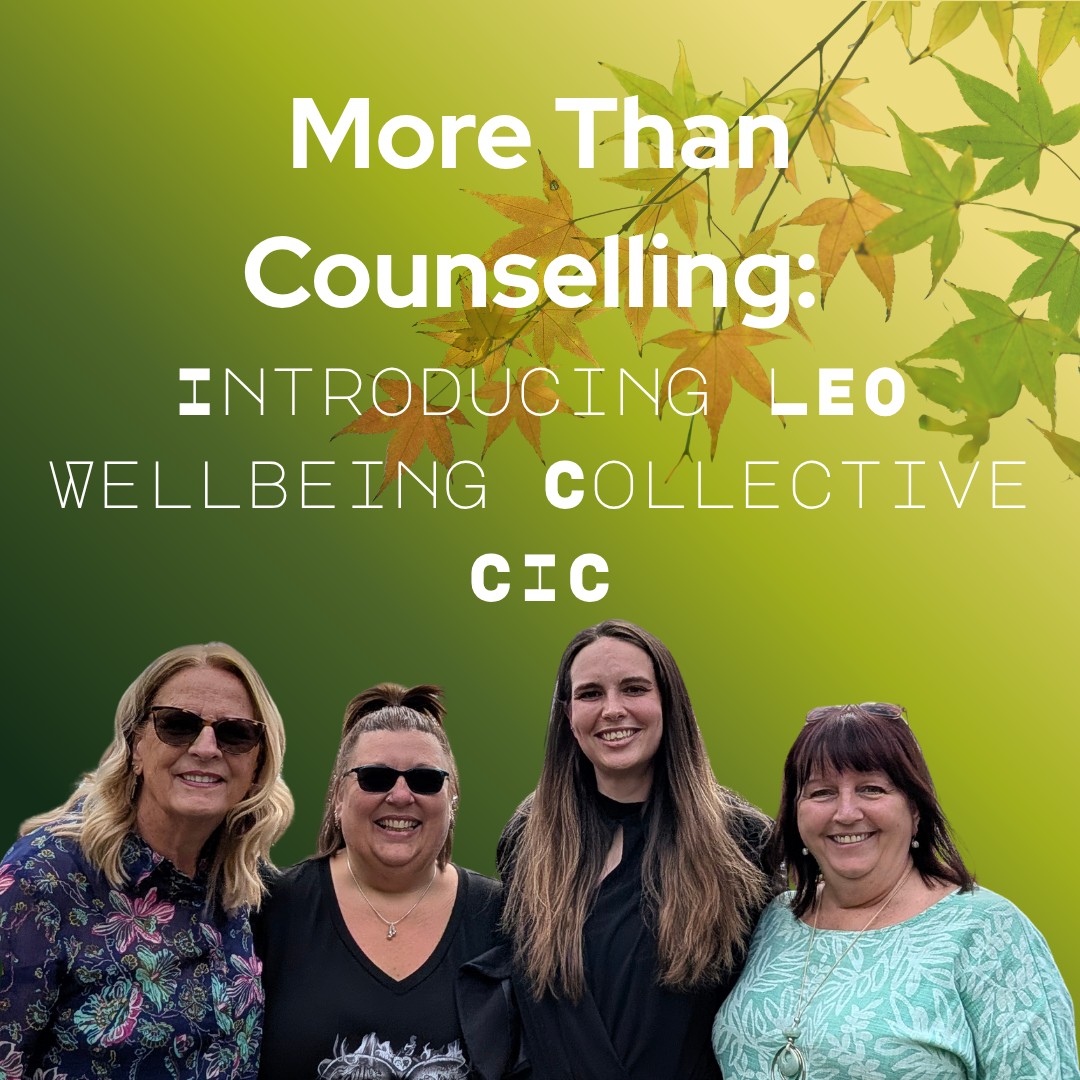
More Than Counselling: Introducing LEO Wellbeing Collective
Learn about LEO Wellbeing Collective, offering counselling, wellbeing groups, mental health and neurodiversity workshops, education and community activities for children, young people and adults.

The Weight of Small Lies: How Minor Dishonesty Erodes Trust in Relationships
In relationships, it is rarely the single, significant lie that causes the greatest damage. More often, it is the accumulation of smaller, everyday inconsistencies that begin to erode trust. Statements that soften the truth or avoid discomfort may feel harmless in the moment, yet over time they create unpredictability. When words and actions no longer align, partners can find themselves caught in a cycle of avoidance and scrutiny, where trust is slowly worn down rather than suddenly broken.
The Cost of Constant Connection: Rethinking Our Relationship with Screens
For many adults, screen use has become so habitual that it no longer feels like a choice. Moments of boredom, stress, or even rest are quickly filled by scrolling, often without awareness of how much time has passed. While technology offers connection and convenience, it can also quietly reduce our capacity for presence, focus, and meaningful interaction. Shifting this pattern is not about removing screens entirely, but about becoming more intentional in how and why we use them.

Modelling Behaviour as a Parent: What It Really Means and Why It Matters
Children learn far more from what we do than what we say. This article explores what modelling behaviour as a parent really means, including showing emotions, taking responsibility for mistakes, and teaching respect through everyday interactions.
When You Feel Stuck: Understanding the Feeling and Finding a Way Forward
Feeling stuck in life can feel frustrating and confusing. This article explores why we feel stuck, how it can become a cycle, and practical ways to accept the feeling and gradually move forward.
Using Acceptance and Commitment Therapy: Finding Peace with Disability, Illness, and Life’s Challenges
When life brings change, loss, or limitation, it’s easy to feel trapped in struggle. Acceptance and Commitment Therapy (ACT) offers a compassionate, practical approach to help people live meaningfully alongside pain or disability. Learn how acceptance, the bus driver analogy, and thought defusion can bring calm and clarity to difficult experiences.

International Women’s Day: A Reflection on Being a Woman Today
A thoughtful reflection on what it means to be a woman in today’s world. Exploring the pressure of “having it all”, the freedom of letting go, and the importance of support, connection, and inner peace between women.

IMAGO-Informed Parenting: Empathy, Boundaries, and Connection Across Developmental Stages
IMAGO-informed parenting is shaped as much in everyday moments of connection as it is in conflict. Listening without fixing, staying curious rather than corrective, and owning mistakes when we misstep all communicate emotional safety. These small, repeated interactions teach children that their feelings matter, that behaviour is met with understanding, and that relationships can stretch, repair, and remain secure.

Valentine’s Day and the Way We Love: Understanding Ourselves and Our Patterns
Valentine’s Day can bring joy, pressure, or even sadness, depending on our past experiences with love. How we viewed love in childhood often shapes our expectations and behaviours in relationships today. This article explores how unhelpful thought patterns and protective defences develop, and how recognising them can help us respond with greater awareness, compassion, and openness - both to ourselves and to others.

Facing the Fracture: Steps Towards Repairing a Relationship After Betrayal
After betrayal, both the person who has been hurt and the one who caused harm can feel lost in a storm of emotions. This piece looks at how relationships can begin to heal, with insights from ACT and Transactional Analysis to guide the process of reflection and repair.

IMAGO Without the Script: Empathy as the Core of Healthy Relationships
When we make sense of another person’s experience and try to understand the feelings beneath their reactions, something softens. Conflict becomes less personal and less frightening. Empathy helps us depersonalise perceived attacks and see behaviour as communication rather than accusation. When this is paired with the core conditions of person centred theory, relationships can feel safer, more compassionate, and less driven by defence, even when nothing is being “done” explicitly or labelled as therapy.

Beyond Resolutions: Creating Change That Lasts
As a new year approaches, many of us make resolutions with the hope of creating a better version of ourselves. But while short-term habits can spark motivation, lasting change asks for something deeper.
Real change isn’t just about what we do, it’s about understanding why we want to do it. When our goals align with our values and beliefs, they become more sustainable and meaningful.
Yet, so often, we fall into the traps of all-or-nothing thinking or unrealistic expectations. We tell ourselves we’ve failed if we miss a day or slip back into old patterns. But genuine change isn’t about perfection; it’s about consistency, reflection, and compassion.
Parent, Adult, Child: Recognising the Patterns That Keep Couples Stuck
Relationships often bring out parts of us we didn’t realise were still active - the caring Parent, the logical Adult, or the emotional Child. When these ego states interact unconsciously, couples can find themselves repeating familiar arguments, falling into critical or defensive roles, and feeling disconnected.
By understanding which state we’re speaking from, we can begin to change how we communicate and respond to our partner. Through awareness, reflection, and dialogue, such as the structured communication used in Imago therapy, couples can learn to move from reaction to understanding, and from conflict to connection.
Real growth in relationships happens when we learn to recognise our patterns, communicate with empathy, and respond from our Adult state rather than the voices of our past.

When Christmas Doesn’t Feel Merry: Working with Shame and Loneliness during the holiday season
Christmas is often painted as a time of joy and togetherness, but for many, it brings feelings of loneliness, sadness, or disconnection. When we’re told the holidays are supposed to be fun, it can leave us questioning ourselves if we don’t feel that way. The truth is, there’s no rule that says we must be merry in December. Working gently with feelings of shame and finding small, meaningful ways to connect can help us move through the season with more compassion and honesty.

Communicating with Care: An Introduction to Imago Dialogue
Communication can either deepen connection or create distance in our relationships. Imago dialogue offers a structured, compassionate way to listen, reflect and respond that helps partners move from conflict to understanding. This approach encourages us to slow down, hear each other fully and build safer, more connected relationships.

Grounding Techniques for Anxiety and Overwhelm: Practical Skills to Reconnect with the Present
When anxiety, overwhelm, or dissociation take hold, grounding techniques can offer a lifeline — helping you return to the here-and-now with gentleness and intention. In this post, we explore a range of practical grounding skills you can use anytime, including sensory, physical, and breath-based methods, as well as the DBT TIPP technique for intense emotions. You’ll also find a guided body scan meditation to support calm and reconnection.

From Past to Present: How Attachment Styles Influence the Way We Relate
Have you ever wondered why some people find closeness comforting while others find it overwhelming?
Attachment styles are patterns we develop in childhood that can influence not only how we connect with others but also how we relate to ourselves. They affect trust, communication, and even the way we handle conflict.
The good news is that attachment styles are not fixed. With awareness and support, it is possible to move toward more secure and fulfilling relationships.

Understanding Your Child’s Emotional Outbursts: What We Can Learn from the Nordic View of 'Trodsalder'
Toddlers aren’t trying to be difficult - they’re learning to manage big feelings in little bodies. This post explores how emotional outbursts are part of a natural developmental phase known in Nordic cultures as trodsalder, and offers supportive strategies to help parents stay grounded and connected during challenging moments.