
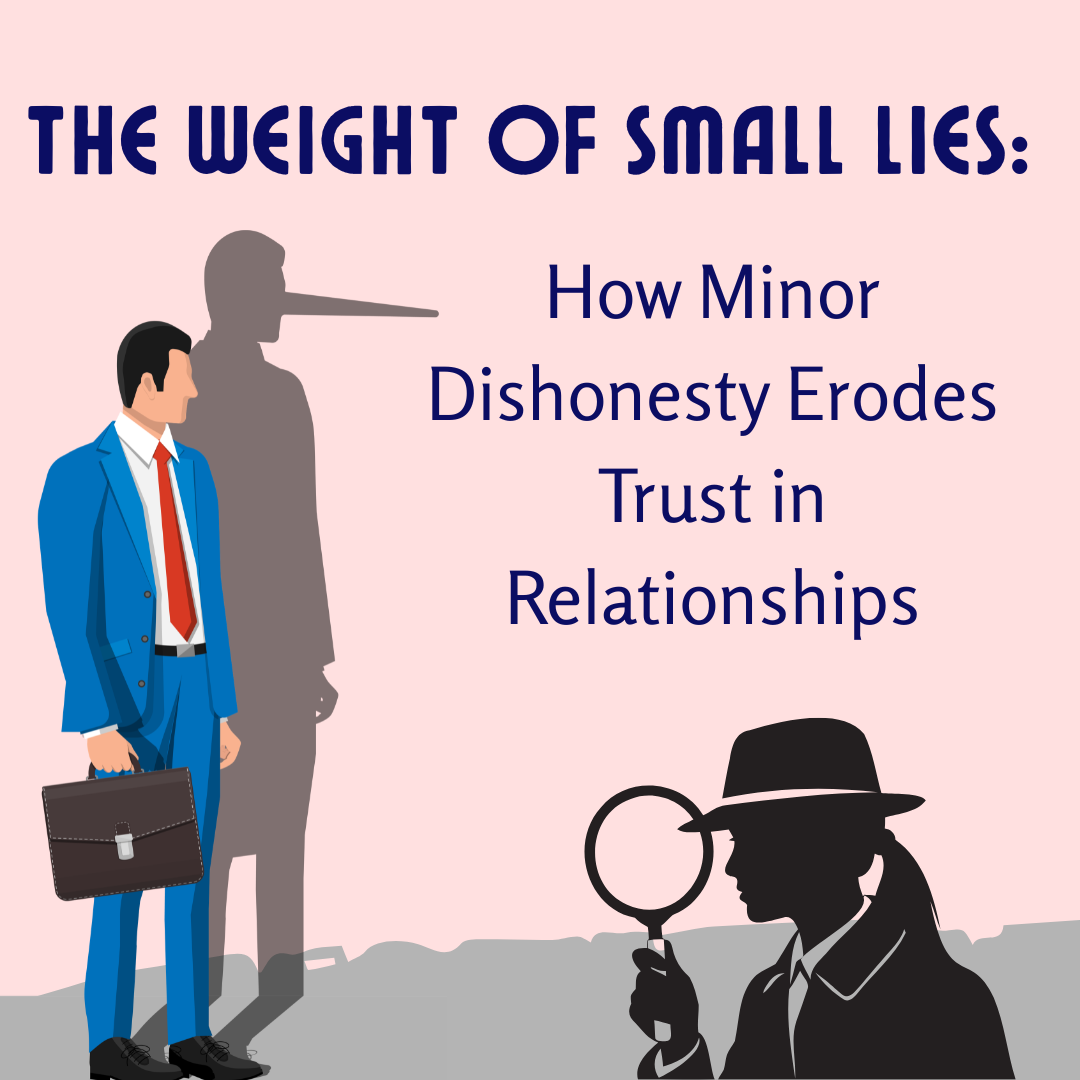
The Weight of Small Lies: How Minor Dishonesty Erodes Trust in Relationships
In relationships, it is rarely the single, significant lie that causes the greatest damage. More often, it is the accumulation of smaller, everyday inconsistencies that begin to erode trust. Statements that soften the truth or avoid discomfort may feel harmless in the moment, yet over time they create unpredictability. When words and actions no longer align, partners can find themselves caught in a cycle of avoidance and scrutiny, where trust is slowly worn down rather than suddenly broken.

Facing the Fracture: Steps Towards Repairing a Relationship After Betrayal
After betrayal, both the person who has been hurt and the one who caused harm can feel lost in a storm of emotions. This piece looks at how relationships can begin to heal, with insights from ACT and Transactional Analysis to guide the process of reflection and repair.

IMAGO Without the Script: Empathy as the Core of Healthy Relationships
When we make sense of another person’s experience and try to understand the feelings beneath their reactions, something softens. Conflict becomes less personal and less frightening. Empathy helps us depersonalise perceived attacks and see behaviour as communication rather than accusation. When this is paired with the core conditions of person centred theory, relationships can feel safer, more compassionate, and less driven by defence, even when nothing is being “done” explicitly or labelled as therapy.
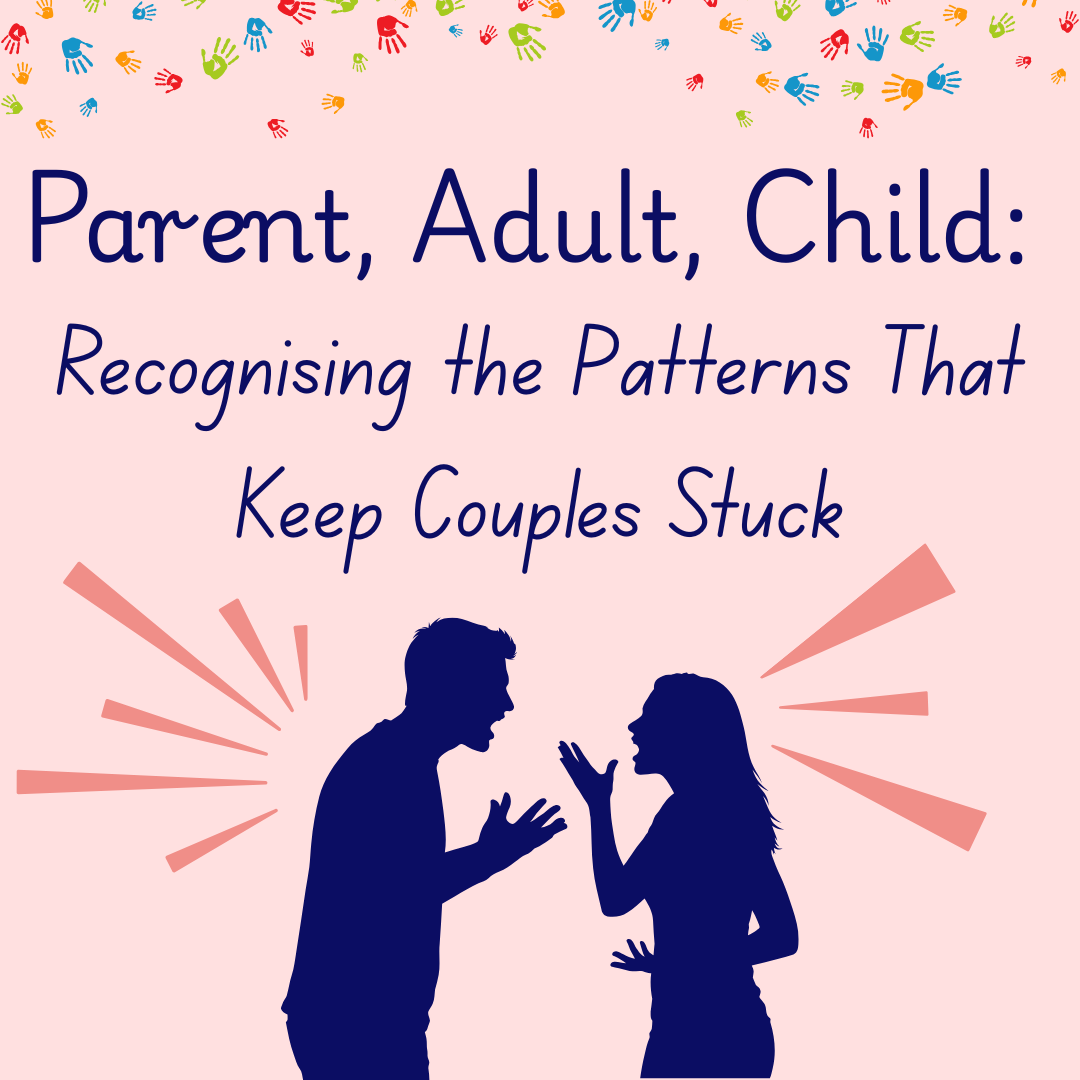
Parent, Adult, Child: Recognising the Patterns That Keep Couples Stuck
Relationships often bring out parts of us we didn’t realise were still active - the caring Parent, the logical Adult, or the emotional Child. When these ego states interact unconsciously, couples can find themselves repeating familiar arguments, falling into critical or defensive roles, and feeling disconnected.
By understanding which state we’re speaking from, we can begin to change how we communicate and respond to our partner. Through awareness, reflection, and dialogue, such as the structured communication used in Imago therapy, couples can learn to move from reaction to understanding, and from conflict to connection.
Real growth in relationships happens when we learn to recognise our patterns, communicate with empathy, and respond from our Adult state rather than the voices of our past.

Communicating with Care: An Introduction to Imago Dialogue
Communication can either deepen connection or create distance in our relationships. Imago dialogue offers a structured, compassionate way to listen, reflect and respond that helps partners move from conflict to understanding. This approach encourages us to slow down, hear each other fully and build safer, more connected relationships.