

Modelling Behaviour as a Parent: What It Really Means and Why It Matters
Children learn far more from what we do than what we say. This article explores what modelling behaviour as a parent really means, including showing emotions, taking responsibility for mistakes, and teaching respect through everyday interactions.

Valentine’s Day and the Way We Love: Understanding Ourselves and Our Patterns
Valentine’s Day can bring joy, pressure, or even sadness, depending on our past experiences with love. How we viewed love in childhood often shapes our expectations and behaviours in relationships today. This article explores how unhelpful thought patterns and protective defences develop, and how recognising them can help us respond with greater awareness, compassion, and openness - both to ourselves and to others.

IMAGO Without the Script: Empathy as the Core of Healthy Relationships
When we make sense of another person’s experience and try to understand the feelings beneath their reactions, something softens. Conflict becomes less personal and less frightening. Empathy helps us depersonalise perceived attacks and see behaviour as communication rather than accusation. When this is paired with the core conditions of person centred theory, relationships can feel safer, more compassionate, and less driven by defence, even when nothing is being “done” explicitly or labelled as therapy.

Grounding Techniques for Anxiety and Overwhelm: Practical Skills to Reconnect with the Present
When anxiety, overwhelm, or dissociation take hold, grounding techniques can offer a lifeline — helping you return to the here-and-now with gentleness and intention. In this post, we explore a range of practical grounding skills you can use anytime, including sensory, physical, and breath-based methods, as well as the DBT TIPP technique for intense emotions. You’ll also find a guided body scan meditation to support calm and reconnection.

From Past to Present: How Attachment Styles Influence the Way We Relate
Have you ever wondered why some people find closeness comforting while others find it overwhelming?
Attachment styles are patterns we develop in childhood that can influence not only how we connect with others but also how we relate to ourselves. They affect trust, communication, and even the way we handle conflict.
The good news is that attachment styles are not fixed. With awareness and support, it is possible to move toward more secure and fulfilling relationships.

More Than a Joke: Humour as a Defence Mechanism
This post explores how humour works as a psychological defence, when it helps, and when it might be hiding something deeper. Whether you recognise this pattern in yourself or in others, you’ll find thoughtful reflections and practical ways to meet it with curiosity and compassion.

Beyond All-or-Nothing: Loosening the Grip of Black and White Thinking
This post explores black and white thinking, a common cognitive distortion that can impact self-esteem, relationships, and growth. Learn how to recognise this pattern, where it may come from, and how to begin cultivating more balanced, compassionate ways of thinking.
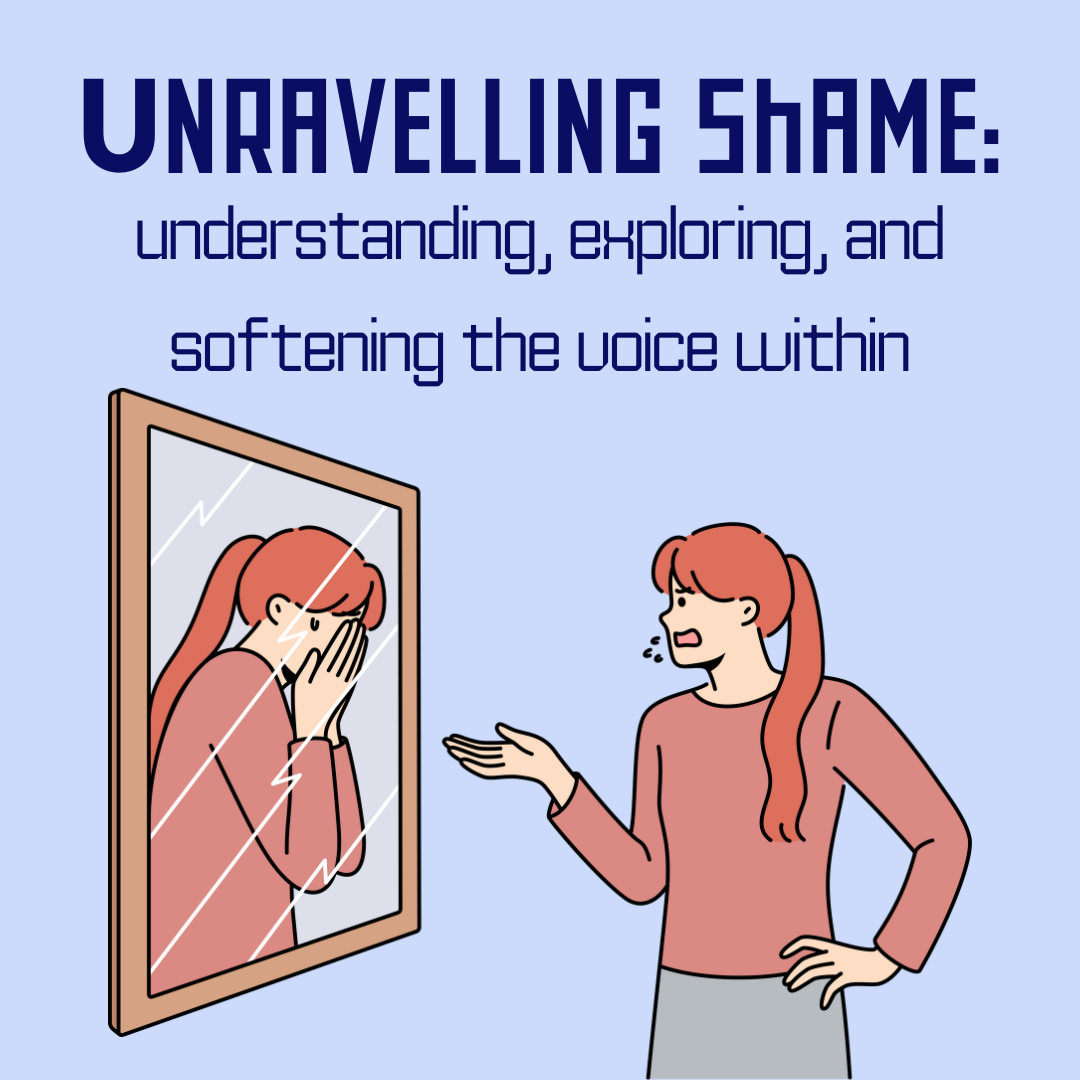
Unravelling Shame: understanding, exploring, and softening the voice within
Exploring the difference between guilt and shame, this post offers insight into how shame can quietly shape our self-worth, relationships, and capacity for change. Whether you're navigating your own healing or supporting someone else, this is a compassionate guide to understanding shame and beginning to loosen its grip.

Sitting With Your Feelings: A Guide to Slowing Down and Tuning In
We often hear the phrase “sit with your feelings”, but what does it really mean? This post explores the practice of slowing down and turning towards your emotions - rather than avoiding or fixing them. Learn how sitting with your feelings can support emotional awareness, resilience and a deeper connection with yourself.