
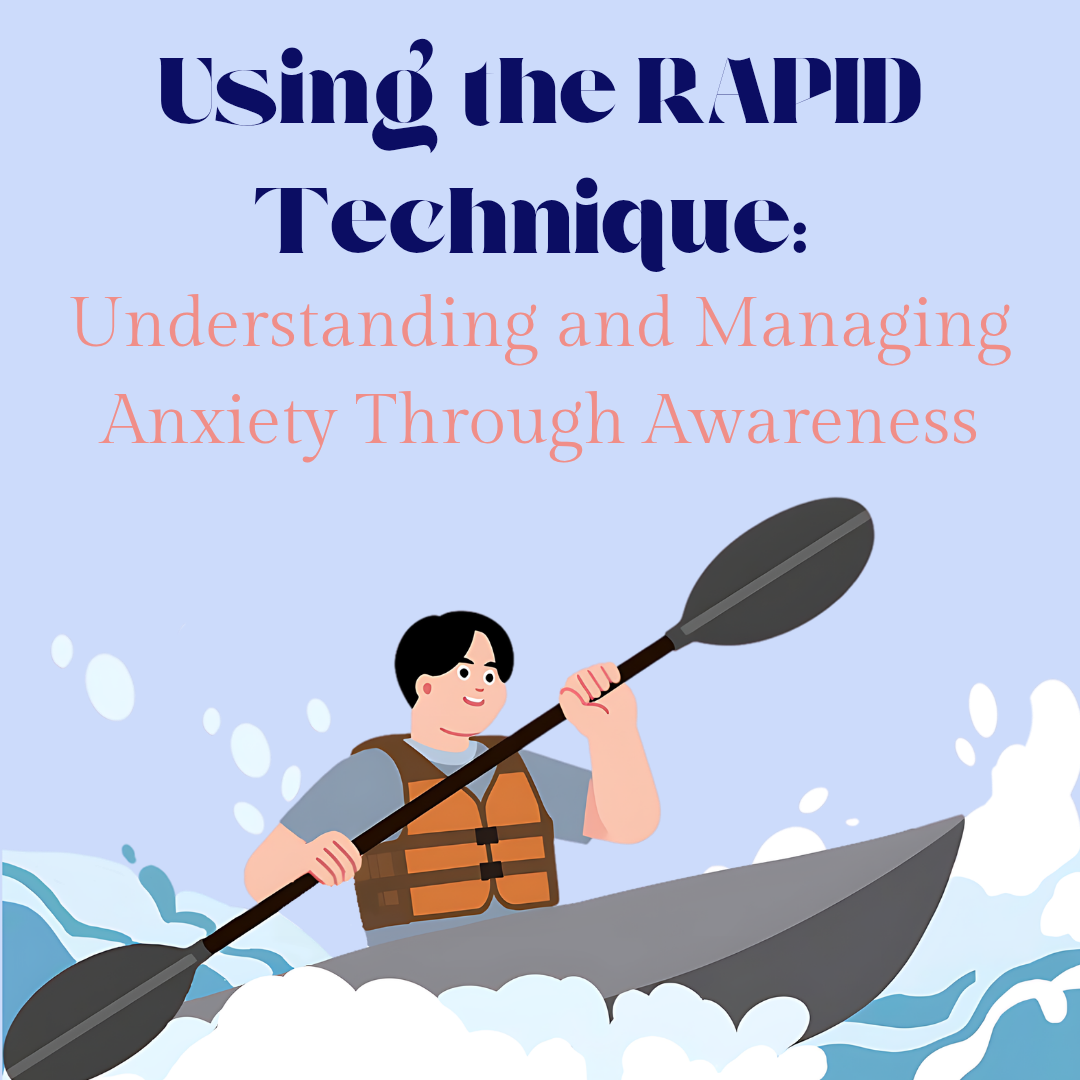
Using the RAPID Technique: Understanding and Managing Anxiety Through Awareness
Feeling anxious or tense? The RAPID technique can help you slow your thoughts, steady your breathing, and find calm again. This gentle five-step process supports you to recognise what’s happening and respond with awareness rather than panic.

Beyond Resolutions: Creating Change That Lasts
As a new year approaches, many of us make resolutions with the hope of creating a better version of ourselves. But while short-term habits can spark motivation, lasting change asks for something deeper.
Real change isn’t just about what we do, it’s about understanding why we want to do it. When our goals align with our values and beliefs, they become more sustainable and meaningful.
Yet, so often, we fall into the traps of all-or-nothing thinking or unrealistic expectations. We tell ourselves we’ve failed if we miss a day or slip back into old patterns. But genuine change isn’t about perfection; it’s about consistency, reflection, and compassion.
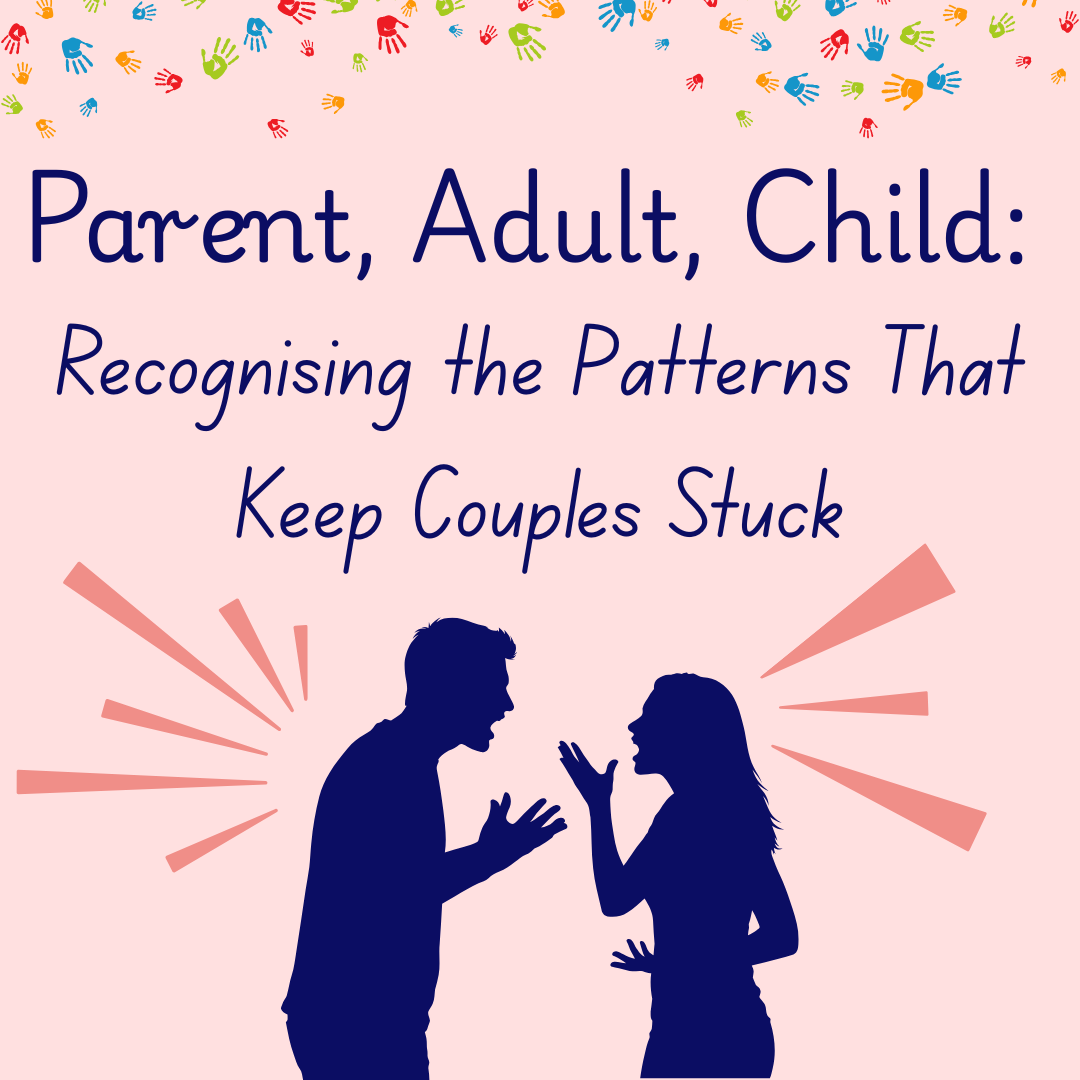
Parent, Adult, Child: Recognising the Patterns That Keep Couples Stuck
Relationships often bring out parts of us we didn’t realise were still active - the caring Parent, the logical Adult, or the emotional Child. When these ego states interact unconsciously, couples can find themselves repeating familiar arguments, falling into critical or defensive roles, and feeling disconnected.
By understanding which state we’re speaking from, we can begin to change how we communicate and respond to our partner. Through awareness, reflection, and dialogue, such as the structured communication used in Imago therapy, couples can learn to move from reaction to understanding, and from conflict to connection.
Real growth in relationships happens when we learn to recognise our patterns, communicate with empathy, and respond from our Adult state rather than the voices of our past.

When Christmas Doesn’t Feel Merry: Working with Shame and Loneliness during the holiday season
Christmas is often painted as a time of joy and togetherness, but for many, it brings feelings of loneliness, sadness, or disconnection. When we’re told the holidays are supposed to be fun, it can leave us questioning ourselves if we don’t feel that way. The truth is, there’s no rule that says we must be merry in December. Working gently with feelings of shame and finding small, meaningful ways to connect can help us move through the season with more compassion and honesty.

Communicating with Care: An Introduction to Imago Dialogue
Communication can either deepen connection or create distance in our relationships. Imago dialogue offers a structured, compassionate way to listen, reflect and respond that helps partners move from conflict to understanding. This approach encourages us to slow down, hear each other fully and build safer, more connected relationships.

Grounding Techniques for Anxiety and Overwhelm: Practical Skills to Reconnect with the Present
When anxiety, overwhelm, or dissociation take hold, grounding techniques can offer a lifeline — helping you return to the here-and-now with gentleness and intention. In this post, we explore a range of practical grounding skills you can use anytime, including sensory, physical, and breath-based methods, as well as the DBT TIPP technique for intense emotions. You’ll also find a guided body scan meditation to support calm and reconnection.

From Past to Present: How Attachment Styles Influence the Way We Relate
Have you ever wondered why some people find closeness comforting while others find it overwhelming?
Attachment styles are patterns we develop in childhood that can influence not only how we connect with others but also how we relate to ourselves. They affect trust, communication, and even the way we handle conflict.
The good news is that attachment styles are not fixed. With awareness and support, it is possible to move toward more secure and fulfilling relationships.

Understanding Your Child’s Emotional Outbursts: What We Can Learn from the Nordic View of 'Trodsalder'
Toddlers aren’t trying to be difficult - they’re learning to manage big feelings in little bodies. This post explores how emotional outbursts are part of a natural developmental phase known in Nordic cultures as trodsalder, and offers supportive strategies to help parents stay grounded and connected during challenging moments.

Mindfulness for a Busy Mind: Finding Presence When Stillness Feels Hard
Mindfulness isn’t about emptying your mind or sitting in perfect silence. For many people, especially those with anxiety, trauma, ADHD or busy lives, stillness can feel uncomfortable or even unsafe. This post offers gentle, flexible ways to build mindfulness when quiet feels out of reach.

Learning to Be on Your Own Side: Practising Self-Compassion
This post explores what self-compassion really means and why it matters—not as a luxury, but as a powerful tool for resilience and growth. With reflective prompts and grounded practices, you’ll find gentle ways to quiet the inner critic, respond to struggle with kindness, and build a more supportive relationship with yourself.

More Than a Joke: Humour as a Defence Mechanism
This post explores how humour works as a psychological defence, when it helps, and when it might be hiding something deeper. Whether you recognise this pattern in yourself or in others, you’ll find thoughtful reflections and practical ways to meet it with curiosity and compassion.

Supporting Autistic Young People: Understanding, Acceptance and Real Connection
Many autistic children and teenagers move through a world that misunderstands their needs and misreads their behaviours. This post invites you to look beyond stereotypes and explore what it really means to support autistic young people with compassion and curiosity.

Beyond All-or-Nothing: Loosening the Grip of Black and White Thinking
This post explores black and white thinking, a common cognitive distortion that can impact self-esteem, relationships, and growth. Learn how to recognise this pattern, where it may come from, and how to begin cultivating more balanced, compassionate ways of thinking.
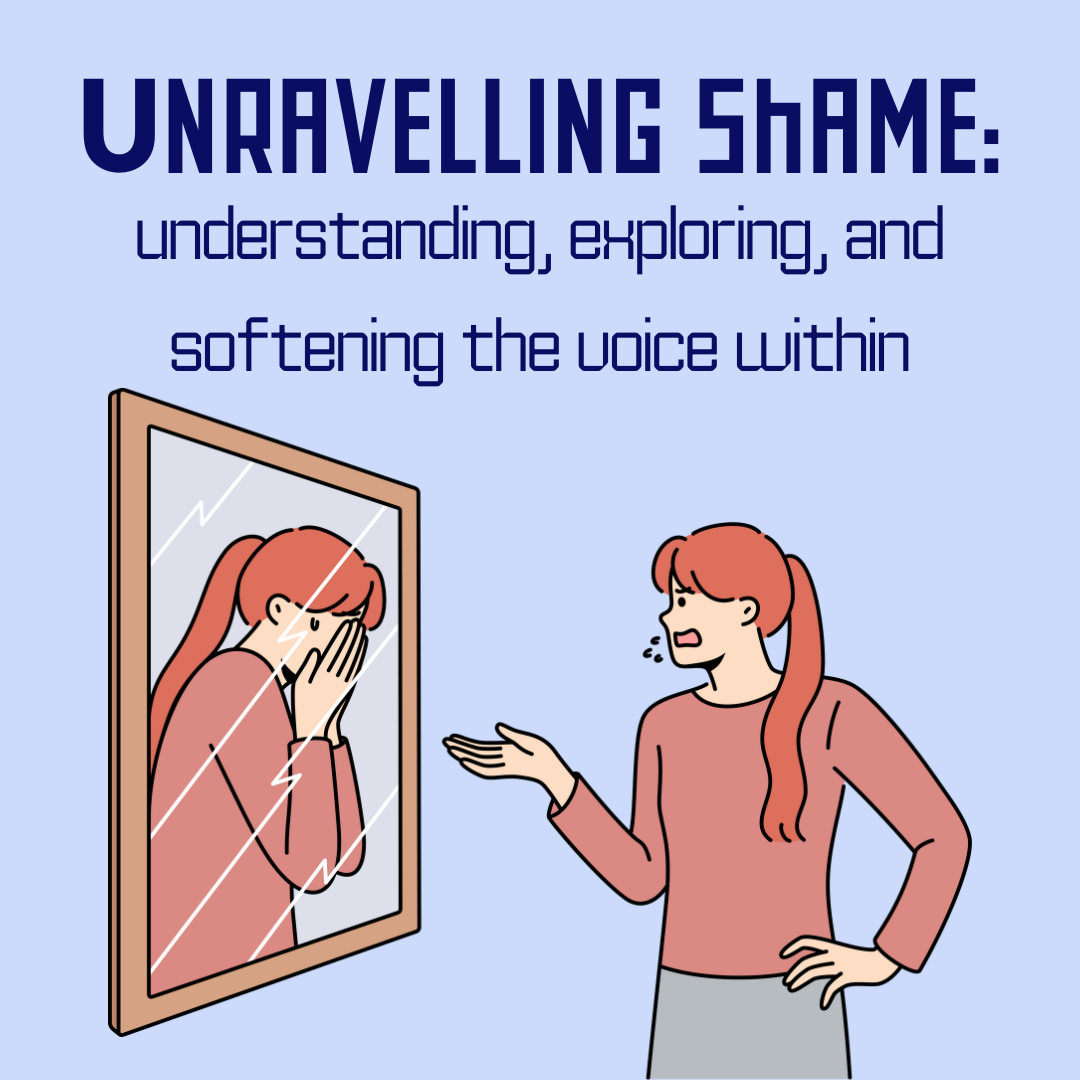
Unravelling Shame: understanding, exploring, and softening the voice within
Exploring the difference between guilt and shame, this post offers insight into how shame can quietly shape our self-worth, relationships, and capacity for change. Whether you're navigating your own healing or supporting someone else, this is a compassionate guide to understanding shame and beginning to loosen its grip.

Sitting With Your Feelings: A Guide to Slowing Down and Tuning In
We often hear the phrase “sit with your feelings”, but what does it really mean? This post explores the practice of slowing down and turning towards your emotions - rather than avoiding or fixing them. Learn how sitting with your feelings can support emotional awareness, resilience and a deeper connection with yourself.